He described it to me like this.
On the outside, a capable, experienced leader. On the inside, a young lad wondering when someone was going to find out.
He'd felt it in every role he'd held, and every time he moved up.
Then his 360 feedback came back.
The graph showed three lines: his manager's ratings, his team's ratings and his own. Two of those lines were well above the third.
Guess which one was his.
I see this a lot in people who come to me wanting more confidence. They're not short of evidence. They're short of believing it.
The praise gets filed under "they're just being kind."
The mistakes get filed under "see, I knew it."
So what helped him?
Seeing it in black and white. Hearing "you're doing well" is easy to brush off. A graph with your own line sitting well below everyone else's is harder to argue with.
Hearing his own words. At one point he said, almost in passing, "I know I'm one of the good managers here." I asked if I could repeat it back to him. Then I suggested he let it sink in. He went quiet for a moment. It's hard to argue with yourself.
Asking others what they see. He asked a trusted colleague, "What can you see in me that I might not be aware of?" The answer wasn't what his inner critic had predicted.
He put it well himself: he realised he was the blind spot, working hard to hide from the people who could already see him clearly.
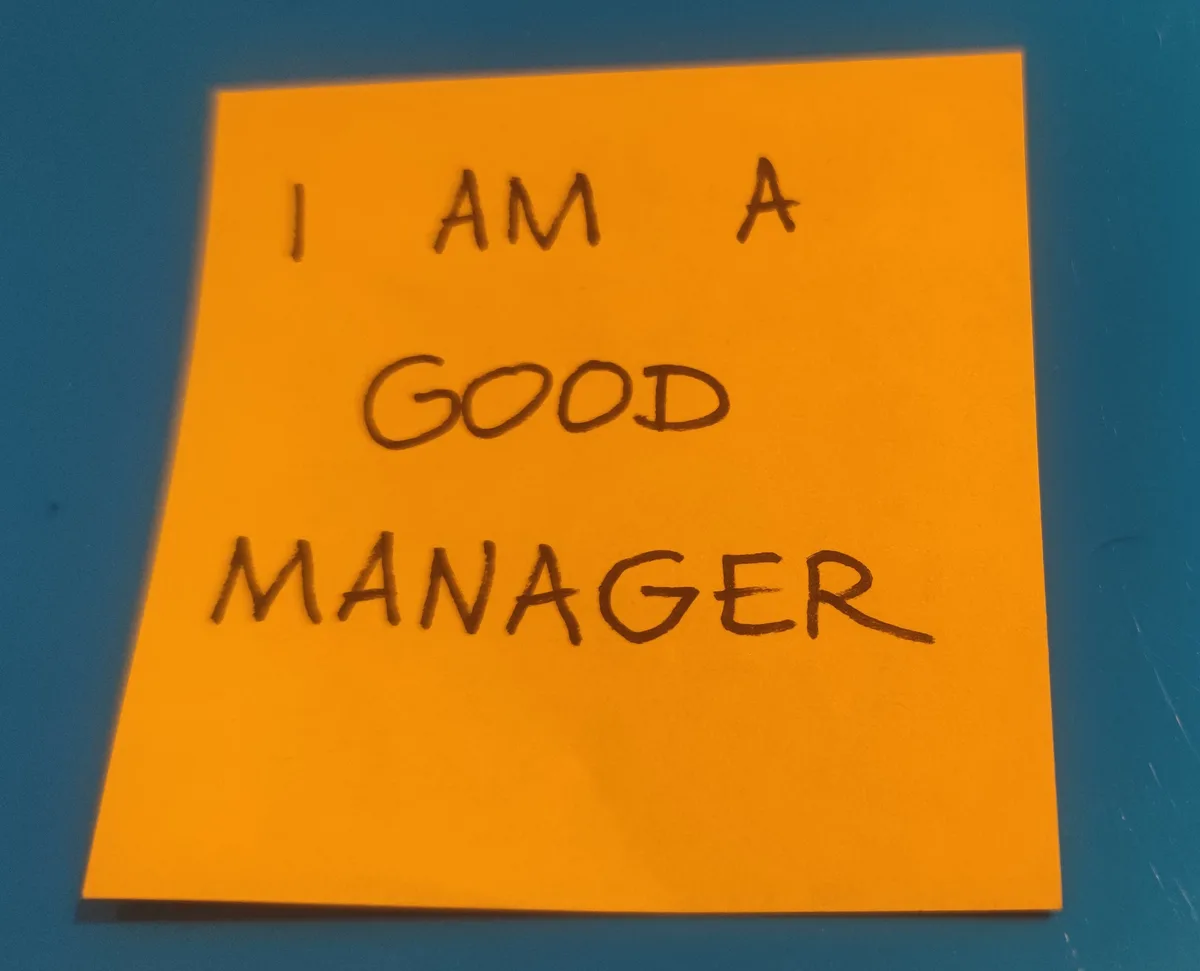
I'll admit I'm not immune to this. I still have a sticky note on my desk that says "I am a great coach." Writing it felt ridiculous (and a little embarrassing to confess here). Some days I believe it. Some days I just read it.
If any of this sounds familiar, here's a small first step:
Think of one kind thing someone said about your work recently. Write it down. Read it once without adding "but…"
That young lad who's waiting to be found out?
Maybe he already has been found. And people like what they see.